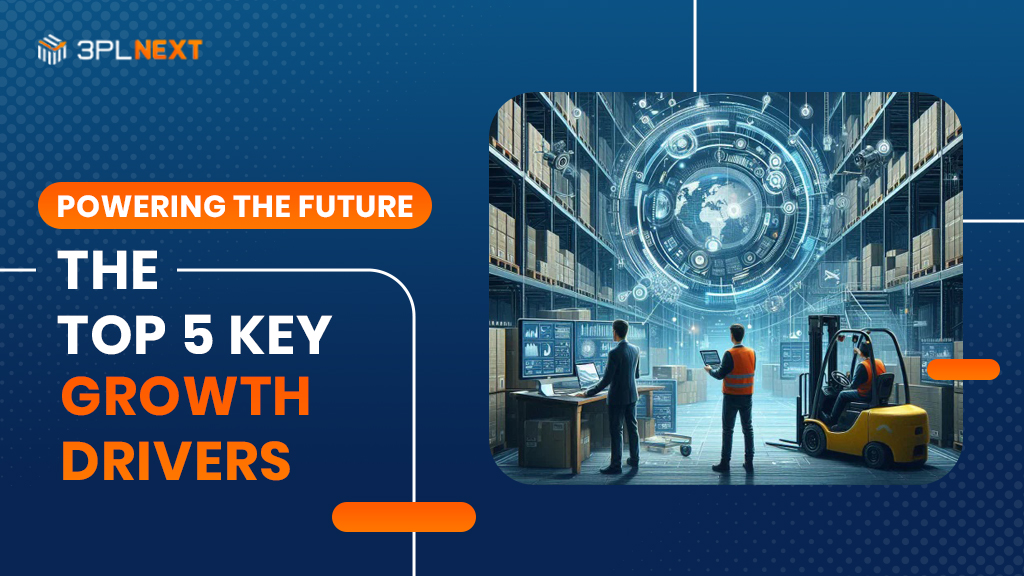
Powering the Future: 5 Key Engines Driving Warehouse Management Growth
The Warehouse Management System (WMS) market isn’t just growing; it’s accelerating at an unprecedented pace, fueled by the relentless demands of modern e-commerce. Industry reports indicate significant expansion, with billions added to the market value in recent years. As e-commerce giants push boundaries and customer expectations soar for near-instant fulfillment, the pressure on warehouses has never been greater. This surge isn’t accidental – it’s being propelled by several powerful forces. Here are the top 5 key drivers shaping the explosive growth of the WMS sector:
The E-Commerce Juggernaut & Fulfillment Arms Race:
Online shopping isn’t just popular; it’s redefining logistics. The sheer volume of orders, coupled with expectations for same-day or next-day delivery from players like Amazon, Walmart, Shein, and Temu, has turned fulfillment into a high-stakes competition. This necessitates for smart and AI enabled WMS solutions capable of managing complex inventory across vast networks, minimizing processing times, optimizing space, and mastering the critical “last mile” – all at breakneck speed.
Labor Scarcity & the Automation Imperative:
Finding and retaining warehouse staff remains a major, persistent challenge. The pandemic highlighted and intensified this issue, but it has evolved into a structural constraint. With significant percentages of warehouse operators reporting chronic labor shortages impacting operations, automation has shifted from a luxury to a core operational necessity. WMS is central to orchestrating automated systems and maximizing workforce productivity where humans remain essential.
AI, Robotics & Real-Time Intelligence Revolution:
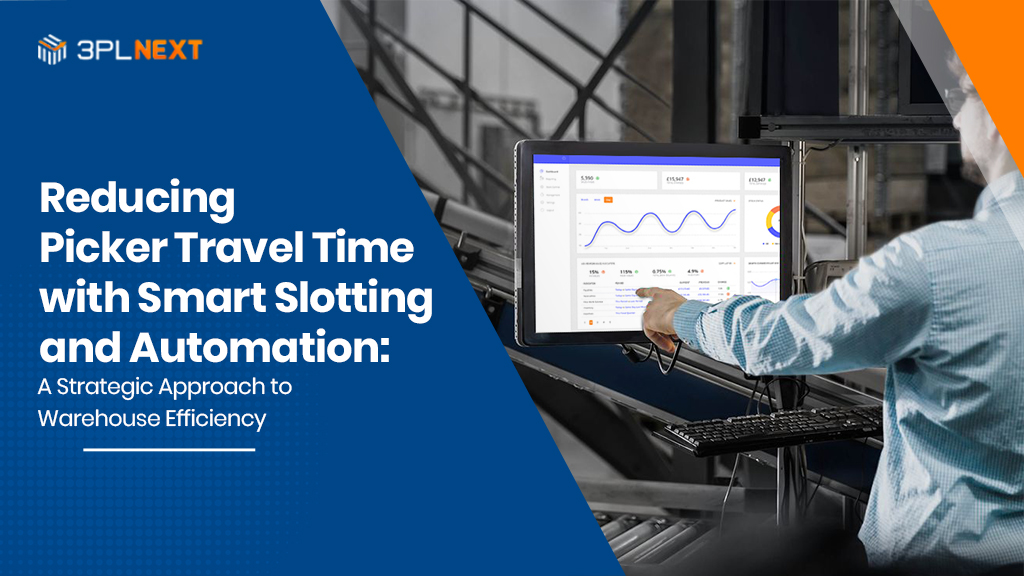
Modern WMS is becoming the central nervous system of the smart warehouse. Integration of Artificial Intelligence (AI) and Machine Learning (ML) enables predictive analytics, smarter slotting, and dynamic route optimization. Robotics guided by WMS automate repetitive tasks. Real-time location systems (RTLS) and IoT sensors provide unparalleled visibility. Features like AI-powered (e.g., tools like “3PLNext “) are empowering floor workers with instant access to information and troubleshooting, boosting efficiency and reducing errors.
The Cloud & SaaS Surge:
The flexibility, scalability, and cost-effectiveness of cloud-based and Software-as-a-Service (SaaS) WMS deployments are undeniable. Businesses, especially mid-sized companies and Third-Party Logistics (3PL) providers, are rapidly adopting these models. They eliminate hefty upfront hardware investments, offer faster implementation, enable seamless remote access, and provide automatic, on-demand updates – allowing warehouses to scale technology alongside fluctuating demand with minimal friction.
Customization & Low-Code/No-Code Agility:
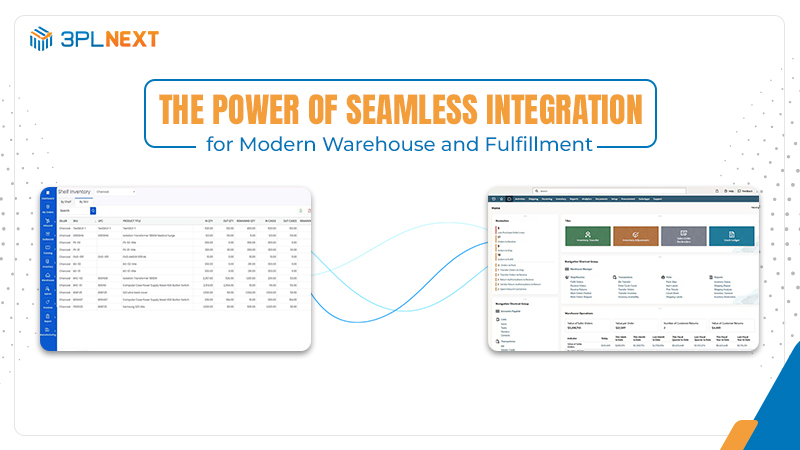
One-size-fits-all solutions struggle in the diverse world of logistics. Forward-thinking WMS vendors are empowering users through low-code/no-code platforms (Platforms like “3PLNext”). These allow businesses to easily customize workflows, integrate seamlessly with other critical systems (ERPs, TMS, marketplaces) via APIs, and even build bespoke extensions (e.g., specialized yard management or compliance tools) without deep coding expertise. This agility is crucial for adapting to unique business needs and rapidly changing market dynamics.
To Conclude:
The warehouse management landscape is undergoing a profound transformation. Driven by the relentless expansion of e-commerce, persistent labor challenges, groundbreaking advancements in AI and robotics, the shift towards agile cloud solutions, and the rise of customizable platforms, WMS technology is no longer just a support function – it’s a strategic growth move. For warehouse operators to thrive, embracing these key drivers isn’t optional; it’s fundamental to achieving the operational excellence, scalability, and responsiveness demanded by today’s market. The future promises even greater integration, intelligence, and adaptability, solidifying WMS as the cornerstone of efficient, future-proof logistics.


Leave a Reply