3PL VS Drop Shipping What is the right model to scale your business operations?
3PL vs Dropshipping
In the e-commerce and logistics business, companies face difficulties in choosing between the two major models: 3PL (Third Party Logistics) and Dropshipping. Although both models have the same goal of streamlining the supply chain, they operate very differently. Both have numerous benefits and drawbacks, and selection depends on various factors such as budget, product requirements, etc. Dropshipping requires lower investments, while 3PL can be costly.
Understanding 3PL
3PL refers to outsourcing supply chain management activities to a third-party service provider. These activities include transportation and warehousing. 3PL providers enable businesses to adjust their logistics needs based on demand.
Outsourcing logistics can significantly reduce expenses for businesses as 3PL providers benefit from economies of scale, reducing shipping costs and overhead costs.
Advantages of 3PL
Inventory Tracking Software
Third-party logistics companies have specialized knowledge and technological resources, including real-time tracking and inventory management systems. By delegating logistics to a 3PL provider, businesses can focus on expansion and product improvement, thus increasing overall competitiveness.
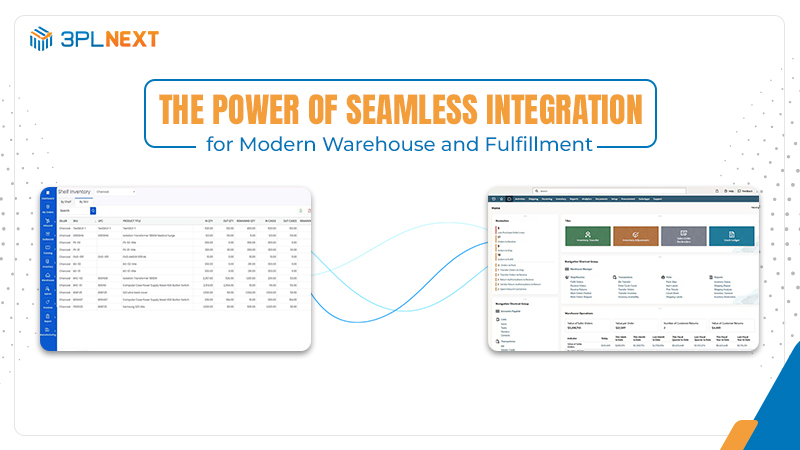
3PL providers have reliable inventory tracking software, which gives quick information on stock levels, locations, and movements. The software generates detailed reports on inventory levels, turnover rates, order accuracy, and other performance indicators.
Warehouse Management System (WMS)
The Warehouse Management System (WMS), which is designed specifically for 3PL, is a robust system that has several features. This includes inventory tracking, integrated billing, multi-client management, and automated order fulfillment. These systems reduce manual processes and human errors. Inventory tracking and automated data collection minimize discrepancies. All in all, this system streamlines operations and ensures timely order fulfillment while reducing operational costs.
All these features are why many businesses choose 3PL.

Disadvantages of 3PL
However, there are a few drawbacks to consider. Outsourcing logistics means giving up some control over supply chain processes, which can cause potential problems regarding quality. Relying solely or heavily on a 3PL provider can create dependency, which will make it harder to switch providers if needed. Communication barriers are a third issue. Lack of coordination between the company and the 3PL provider can create delays and cause inefficiencies.
Exploring Drop shipping
Drop shipping is a method where the store does not keep the product it sells in stock. Instead, it purchases the product from a third party and has it transported to the consumer directly, never handling the goods itself.
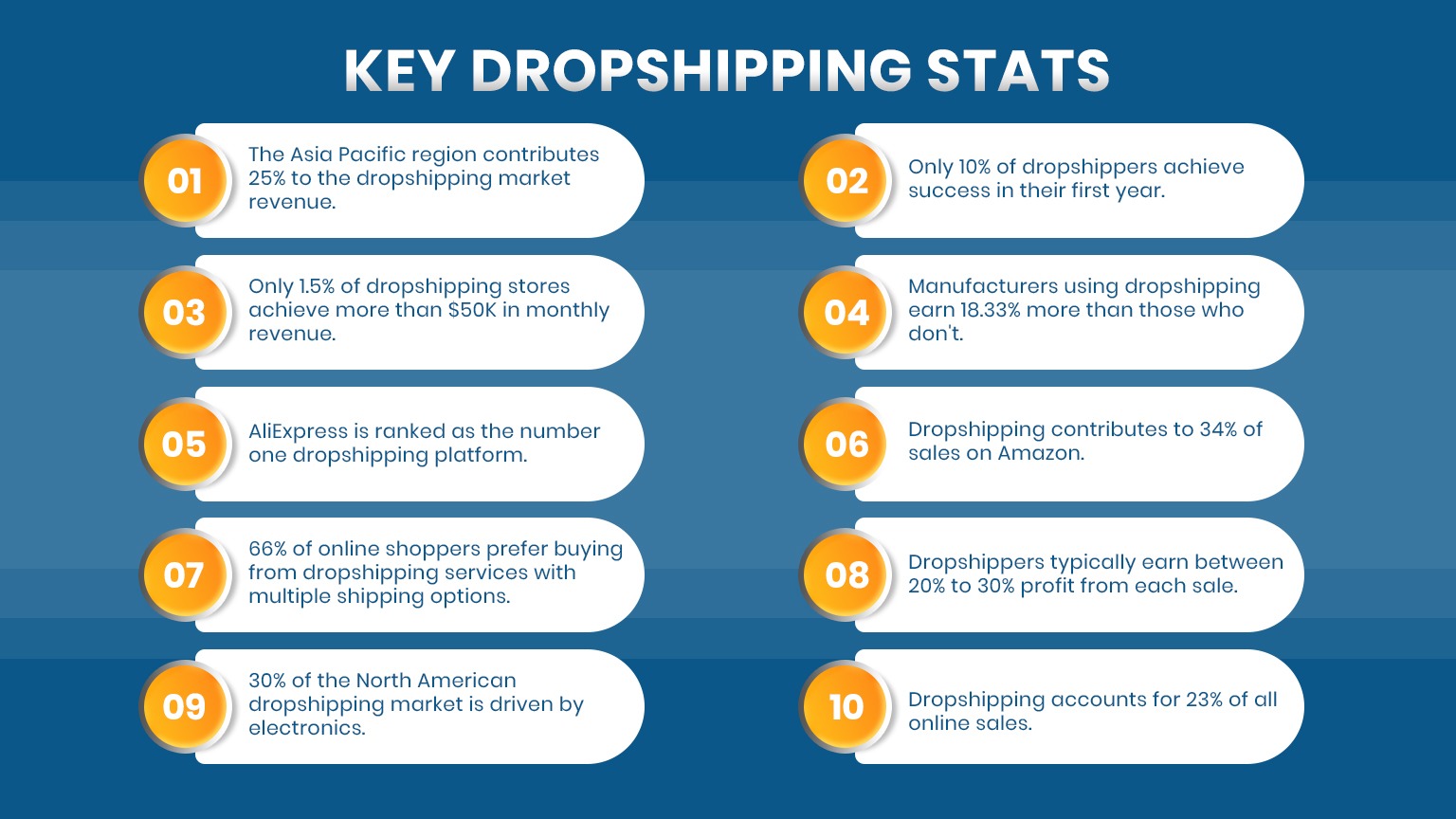
Advantages of Drop Shipping:
Low Startup Costs
Drop shipping is desirable for many reasons. Startup costs are low since investments in inventory, warehousing, etc., are not required, making it suitable for small businesses.
Moreover, without the need for storage or supply management, companies do not need to cover warehousing costs.
Wide Product Range
Another benefit is a wide product range. Retailers can offer a vast array of goods without fretting about storage space or unsold stock. Also, since there is no need to manage physical inventory, drop shipping allows companies to operate from anywhere.
Wide Reach
Drop shipping has impressive global reach. It gives access to a wide consumer base, enabling amazingly fast market expansion. Suppliers worldwide offer a vast range of products to cater to diverse consumer demands. These suppliers manage storage and shipping, and the model supports quick adaptation to global trends.
Disadvantages of Drop Shipping:
Lower Inventory Control
On the contrary, drop shipping has many disadvantages which we must consider, such as inventory issues. Since retailers do not control supply, they rely on suppliers to control inventory, which can cause disparity.
Low Profit Margins
Another disadvantage is thinner profit margins. Due to the involvement of third parties in drop shipping, profit is significantly lower. Handling many suppliers can complicate shipping logistics, which may lead to longer delivery times and higher shipping costs.
Poor Quality Control
In addition to all this, retailers have minimal authority over product control, which negatively impacts consumer satisfaction.
All these challenges are why several companies decide not to opt for drop shipping.

Comparative Analysis
3PL offers more control over supply to companies as compared to drop shipping and helps businesses ensure consistent quality and branding. Drop shipping offers great flexibility but sacrifices some of this control, hence making it less suitable for businesses that prioritize product quality.
Drop shipping is more suitable for smaller companies and business startups as low initial investment is required. On the other hand, even though 3PL requires much higher initial investments, it offers cost efficiencies in the long run through economies of scale.
Both 3PL and drop shipping support scalability but in different ways. Drop shipping enables businesses to expand their product range and market presence quickly without having to manage extra inventory. 3PL providers can scale operations to meet business growth and demand, especially at peak times.

Customer experience and opinion may vary between these 2 models. 3PL usually provides faster and more reliable shipping services, while drop shipping faces potential issues regarding product quality and longer delivery times, which has an unfortunate impact on customer satisfaction.
Choosing between 3PL and drop shipping depends upon the specific needs and requirements of a business.
3PL is the ideal choice for companies looking for robust logistics support and better inventory control. Drop shipping is the best option for companies seeking unparalleled flexibility, low startup costs, and the ability to test new products quickly.
Understanding how both these models work can help businesses, companies, and corporations make informed decisions in the competitive world of e-commerce.

Leave a Reply